

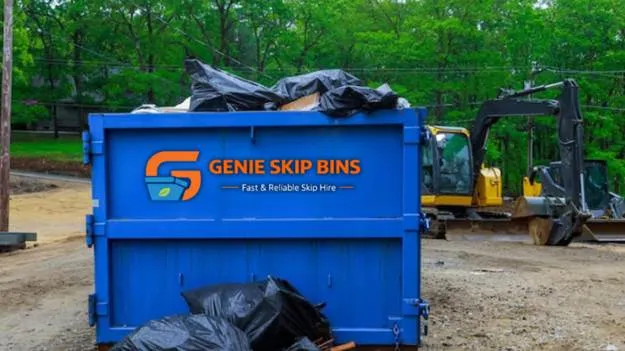
Let’s be honest: nobody gets excited about dealing with a mountain of junk. Whether you’ve just finished a massive garage cleanout, a home renovation, or a garden makeover, the pile of leftover waste can be overwhelming. You might be wondering: Do I rent a truck? Call a guy with a trailer? Or just hope a wizard appears?
The easiest, most affordable, and most responsible answer is skip bin hire. But if you’ve never done it before, the process can seem mysterious. Don’t worry. This guide will walk you through exactly how rubbish removal works, from choosing the right bin to understanding what happens to your trash after it’s taken away. By the end, you’ll be a skip bin expert.
What is a Skip Bin Service?
A skip bin is a large, open-topped steel container designed to hold waste. A rubbish removal company delivers the bin to your location (home, office, or job site), leaves it for a specified period, and then picks it up to dispose of the contents responsibly.
Think of it as a temporary, heavy-duty dumpster for your personal use. Services like Genie Skip Bins focus on making this process fast and transparent, often offering online booking in just four steps: enter your postcode, select waste type, pick a bin size, and choose dates.
Step-by-Step: How the Rubbish Removal Process Works
Booking a skip bin hire service is surprisingly simple. Here is the typical workflow you will experience with any professional company.
Step 1: Assess Your Waste
Before you do anything, look at your pile of rubbish. What is in it? Is it old furniture and toys (general waste)? Tree branches and grass (green waste)? Bricks and concrete (heavy waste)? Knowing this is critical because different waste types require different disposal methods.
Step 2: Choose the Right Bin Size
This is the most important decision. Bins are measured in cubic metres (m³). A 2m³ bin is about the size of a large wheelie bin, perfect for a small cleanout. A 30m³ bin is massive, used for full construction demolitions.
● Small projects (2–4m³): Spring cleaning, small bathroom renovation.
● Medium projects (5–9m³): Full house cleanout, large landscaping.
● Large projects (10–30m³): New home construction, commercial demolition.
Pro Tip: As highlighted by GenieBins Gold Coast, choosing the right size saves money. A bin that is too small means you pay for a second bin. A bin that is too large wastes space and cash. If in doubt, go one size up.
Step 3: Book Your Bin
You can book online or by phone. You will tell the company:
● Your address
● The delivery date
● The bin size you want
● The type of waste you are disposing of
Companies like Rapid Bins use a “Enter Postcode” system to instantly check availability and show prices.
Step 4: Delivery Day
The company drops the skip bin on your property. You will need to provide a clear, flat space (like a driveway or front lawn). Ensure there are no low-hanging wires or tree branches, as the delivery truck needs height clearance to tilt the bin off.
Step 5: Fill It Up
This is where you do the work. You have the bin for an agreed rental period (usually 7–14 days). You fill it at your own pace. Crucially, do not overfill the bin. Waste should not stick up above the rim. An overfilled bin is a safety hazard on the road and the truck will refuse to pick it up.
Step 6: Pickup and Disposal
You call the company when you are done (or they come on the scheduled date). They haul the bin away. Then, they take everything to a Resource Recovery Centre or landfill. Modern companies sort the waste – recycling metals, green waste, and soil – before sending the rest to landfill.
What Can You Put in a Skip Bin? (The “Yes” and “No” List)
Understanding this prevents fines and keeps everyone safe. While rules vary slightly by company, most follow the guidelines set by SkippyBin Adelaide.
Yes – We Accept This:
● General Waste: Household junk, furniture, toys, carpet, non-recyclable plastics, broken appliances.
● Green Waste: Leaves, branches, grass clippings, tree stumps, untreated timber.
● Heavy Waste: Bricks, concrete, tiles, sand, dirt, and rocks.
● Mixed Waste: A combination of the above (note: heavy waste usually costs more because it weighs more).
No – Prohibited Items (Hazardous Waste):
You can NEVER put these in a standard skip bin:
● Asbestos (requires specialist removal)
● Chemicals, paints, solvents, oils
● Car batteries or tyres
● Gas bottles or fire extinguishers
● Medical or infectious waste
● Food waste (attracts pests)
Why? These items are dangerous for workers and the environment. They require special, separate handling.
Types of Skip Bin Services (Residential vs. Commercial)
Rubbish removal is not one-size-fits-all. The industry is split into two main customer types:
Residential Services
This is for homeowners. You are cleaning out a shed, renovating a kitchen, or landscaping a garden.
● Focus: Small to medium bins (2m³ – 9m³).
● Key Feature: Same-day delivery and driveway-friendly placement.
● Example: SkippyBin Adelaide specifically mentions “clean and waste-free home” services for health and beauty.
Commercial & Construction Services
This is for builders, office managers, and industrial sites.
● Focus: Large bins (10m³ – 30m³) and multiple bin rotations.
● Key Feature: Scheduled daily or weekly pickups to keep job sites safe.
● Example: Skip Bin Hire Perth mentions handling “big construction project waste” and “commercial use.”
Cost of Rubbish Removal: Why Prices Vary
You will see prices ranging from $200 to $800+. Why the difference? It is not just the bin size. Here is what you are actually paying for:
● Bin Size: A 4m³ bin costs less than a 15m³ bin.
● Weight Allowance: Heavy waste (dirt, bricks) is charged more because it fills the truck’s weight limit faster. A bin full of pillows costs less to dump than a bin full of wet clay.
● Rental Period: Most companies give you 7 days. Keeping the bin for 3 weeks usually incurs a weekly extension fee.
● Type of Waste: Green waste is often cheaper because it is easily recycled into mulch. General waste is mid-range. Mixed heavy waste is most expensive.
● Location: As noted by NT Skip Bin Hire in Darwin, remote areas have higher transport costs.
Pro Tip: Look for “transparent rates without any hidden charges” – a promise made by Rapid Bins and Skip Bin Hire Perth. Always ask if the quoted price includes the “tip fee” (landfill levy).
Environmental Impact: The “Greener” Side of Rubbish Removal
Here is the secret that most people don’t know: Skip bin companies are recycling experts. You are not just throwing things in a hole. You are hiring a sorting facility.
According to Genie Skip Bins in Cairns: “Cairns generates thousands of tonnes of household and construction waste each year and most of it can be recycled. By hiring a skip bin, you help reduce landfill waste.”
Here is what happens after your bin is picked up:
● Arrival at Facility: The truck dumps the load on a large concrete floor.
● Sorting: Workers and machines separate wood, metal, concrete, cardboard, and plastic.
● Processing: Metal is melted down. Concrete is crushed for the road base. Green waste is chipped into mulch. Soil is cleaned.
● Landfill: Only the truly non-recyclable waste (about 20–30%) ends up in the ground.
When you book with a responsible company, you are actively participating in the circular economy.
Safety Tips for Using a Skip Bin
Using a bin is simple, but safety matters. Do not be the person who gets hurt taking out the trash.
● Don’t Overfill: Keep waste level with the rim or lower. Overhanging branches or broken glass can fall off during transport, hitting a car or pedestrian.
● Wear Gloves: Broken ceramics, rusty nails, and splintered wood are common.
● Heavy Items on Bottom: Put soil, concrete, and bricks in first. Light items (furniture, boxes) on top.
● No Liquids: Do not pour paint or oil in the bin. It leaks out the bottom of the truck and onto the road.
● Watch the Kids: Skip bins are not playpens. Never let children climb inside – the walls can be difficult to climb out of.
Common Mistakes to Avoid Before Booking
Based on years of industry experience, here are the top three regrets people have after booking:
1. Mistake #1: Booking a Bin That Is Too Small
● Scenario: You think a 2m³ bin will hold a 3-seat sofa. It won’t.
● Solution: Estimate your volume. A standard trailer load is about 2-3m³. A small room renovation is 4-6m³.
2. Mistake #2: Not Protecting the Driveway
● Scenario: The truck driver places a heavy bin on your asphalt driveway on a 40°C day. The bin sinks into the soft tar.
● Solution: Ask for “timber planks” or lay down old plywood before the bin arrives.
3. Mistake #3: Filling the Bin with Prohibited Waste
● Scenario: You hide an old paint can at the bottom. The sorter finds it. The entire bin load is rejected as “contaminated.”
● Solution: Be honest. Take hazardous waste to your local council drop-off point for free.
Conclusion: You Are Ready to Book
Rubbish removal does not have to be a headache. It is a straightforward service: You point, you fill, they haul. By understanding the process (size, waste type, safety, and environmental sorting), you save money and avoid fines.
Remember these key points before you click “Book Now”:
● Sort your waste into categories (general, green, heavy).
● Choose a bin one size larger than you think you need.
● Confirm the weight allowance and prohibited items.
● Leave the bin on a hard, flat surface.
● Never overfill past the rim.
Whether you are in Cairns with Genie Skip Bins, Brisbane with Rapid Bins, or Darwin with NT Skip Bin Hire, the principle is the same: professional skip bin hire is the smart, safe, and green way to make your junk disappear.
So go ahead. Start that garage cleanout. Tear down that old deck. Your skip bin is just a phone call away.