

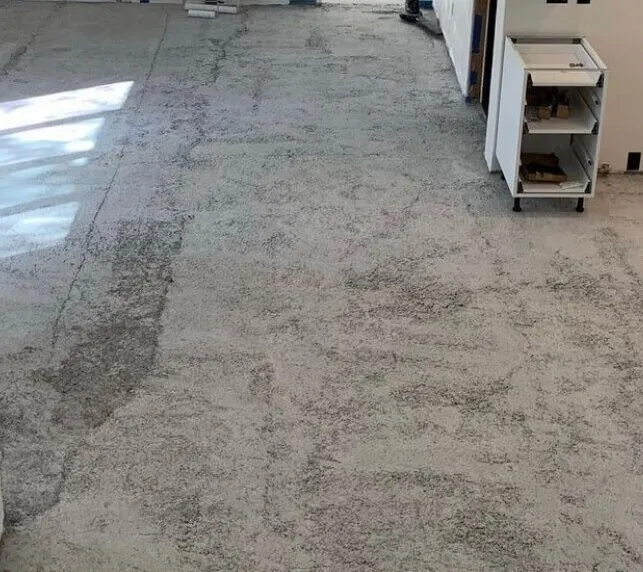
Heavy work boots and loaded carts wear down bare floor slabs over time. Raw grey floors start dusting and pitting once heavy metal tools hit the pad repeatedly during regular shifts. Laying down quality concrete coatings protects base stone from chemical spills, oil drips, and daily friction. Modern surface materials seal tight pores, stopping concrete dust dead in its tracks. Picking the right setup keeps busy spaces clean and prevents sudden floor repairs down the line.
Understanding Surface Wear and Impact
Everyday footsteps and rolling trolley wheels grind away at bare concrete floors continuously. That constant friction creates fine grey dust that settles across equipment, shelves, and tools. Heavy surface layers block that endless dust production by locking loose sand grains right into place. Tough top seals also absorb sudden tool drops, stopping deep chips from ruining smooth floor planes. Shielding bare stone extends pad life while keeping busy work bays looking clean and professional year-round.
Evaluating Toughness and Flexibility Differences
Rigid floor finishes take heavy stationary weights without bending or sinking out of shape. However, outdoor slabs expand and shrink whenever local temperature shifts happen across different seasons. Standard epoxy flooring creates a thick, solid shell that resists vehicle tires and motor fluid leaks easily. Hybrid coatings flex alongside underlying stone, preventing unsightly surface cracks during cold winter freezes. Matching layer flexibility to expected slab movement stops peeling early and keeps finishes looking solid over long periods.
Comparing Installation Speed and Curing
Downtime costs money when busy work floors must stay closed for multi-day upgrades. Standard resin setups take days to dry fully between initial base coats and final sealing layers. Newer polyaspartic systems cure within hours, letting crews finish full jobs in single work shifts. Faster drying means vehicles park on fresh surfaces the very next morning without ruining top coats. Planning around daily operations determines which drying timeline fits your facility needs best.
Analyzing Chemical and Slip Resistance
Motor oils, battery fluids, and harsh soaps wreck raw concrete floors fast when left sitting. Sealed surfaces stop liquid penetration completely, letting workers wipe up spills with standard shop rags. Adding gritty aggregate into wet topcoats creates textured pads that stop slip hazards during rainstorms. High-grip floors keep workers safe when shoes track wet mud inside busy garage bays. Protective layers maintain high safety standards while guarding raw stone against harsh fluid corrosion.
Evaluating Long-Term Maintenance Needs
Keeping prepped floors tidy takes little work when protective barriers keep grime out. Simple sweeping removes sharp dirt grains that act like sandpaper under heavy boots over time. Mopping with mild cleaners keeps shiny surfaces looking good without leaving sticky film behind. Skip using sharp scrapers or harsh acid washes that strip clear coats away too soon. Regular basic care protects your floor investment, keeping busy work spaces smooth without expensive repair work.
Selecting the Best Option Today
Picking the right floor finish comes down to room usage, sun exposure, and local weather. Indoor garage spaces handle thick resin layers well since vehicles park inside overnight. Outdoor walkways need UV-stable coatings so hot sunlight does not yellow light colors over time. Budget limits, installation speed, and overall durability guide your final material pick. Investing in solid floor protection keeps slabs strong, safe, and clean through years of daily work.
Conclusion
Choosing protective finishes for busy concrete pads saves underlying stone while cutting ongoing repair costs down significantly. Modern floor treatments seal raw concrete against fluid spills, heavy machinery, and sudden weather changes effortlessly. Evaluating cure times, surface grip, and material flexibility helps you select a floor finish built for long-term use. Proper initial installation creates a tight mechanical bond that won’t peel or chip away under stress. For expert guidance on choosing durable protective treatments, count on hardrockconcretecoatings.com to get the job done right.