

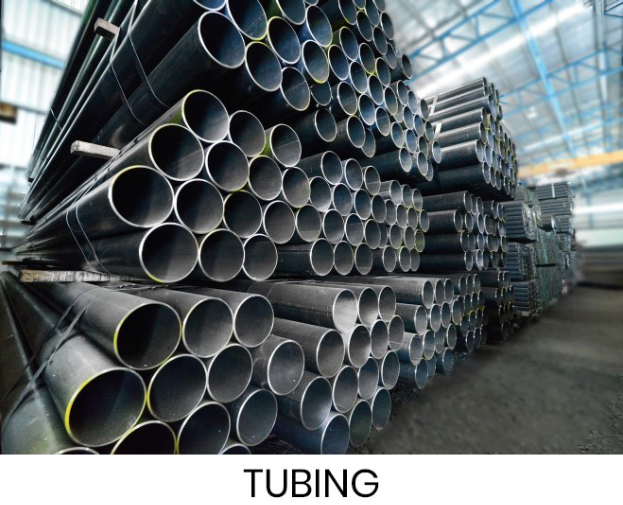
Metal tubing is a critical component in a wide range of industries, from construction and manufacturing to aerospace and medical technology. These hollow cylindrical structures, made from various metals, offer strength, durability, and adaptability in structural and fluid transport applications. Understanding the types, uses, and advantages of metal tubing helps engineers and decision-makers select the right product for their specific needs.
What is Metal Tubing?
Metal tubing refers to long, hollow metal cylinders used for transporting fluids, gases, or for structural purposes. Unlike piping, which is typically measured by internal diameter and used in fluid systems, tubing is usually specified by its outside diameter and is often used in structural applications.
Common materials used to manufacture metal tubes include:
- Steel (carbon and stainless)
- Aluminum
- Copper
- Brass
- Titanium
Metal tubing is available in different shapes, including round, square, and rectangular, depending on its application.
Types of Metal Tubing
- Stainless Steel Tubing
Known for corrosion resistance, strength, and hygiene, stainless steel tubing is widely used in medical devices, food processing, and chemical industries. It is available in welded and seamless varieties. - Carbon Steel Tubing
Strong, durable, and cost-effective, carbon steel tubing is typically used in mechanical and structural applications like buildings, bridges, and machinery. - Aluminum Tubing
Lightweight and corrosion-resistant, aluminum tubing is ideal for aerospace, automotive, and marine industries. It also offers good thermal and electrical conductivity. - Copper Tubing
Popular in plumbing and HVAC systems, copper tubing has excellent corrosion resistance and thermal conductivity. It is often used to transport water or refrigerants. - Brass Tubing
Brass, an alloy of copper and zinc, is used in decorative, plumbing, and musical applications due to its attractive appearance and antimicrobial properties. - Titanium Tubing
High strength-to-weight ratio and corrosion resistance make titanium tubing suitable for aerospace, medical implants, and chemical processing.
Key Applications of Metal Tubing
Metal tubing is highly versatile and used in a wide range of industries:
- Construction: Used in scaffolding, handrails, structural supports, and piping systems.
- Automotive: Applied in fuel lines, exhaust systems, and roll cages.
- Aerospace: Essential in hydraulic systems, aircraft frames, and fuel transport.
- Medical: Stainless steel and titanium tubes are used in surgical instruments, implants, and catheters.
- Oil and Gas: Tubing in these sectors must withstand high pressure, temperature, and corrosive environments.
- Manufacturing: Utilized in conveyors, machinery frames, and automated systems.
- HVAC and Plumbing: Copper and steel tubing transport air, gas, and water efficiently.
Advantages of Metal Tubing
- Durability: Metal tubes are resistant to wear, pressure, and impact, ensuring long service life.
- Corrosion Resistance: Depending on the material, metal tubing can resist rust and corrosion, especially when exposed to water or chemicals.
- Strength-to-Weight Ratio: Metals like titanium and aluminum offer high strength while remaining lightweight.
- Versatility: Available in different sizes, shapes, and alloys for a wide range of applications.
- Heat Resistance: Metal tubing maintains its properties under high temperatures, making it suitable for engines, furnaces, and industrial systems.
- Precision: Metal tubes can be manufactured with tight tolerances for medical, aerospace, and electronic systems.
Metal Tubing vs. Metal Piping
While often confused, tubing and piping serve different roles. Tubing is generally used in structural or precision applications and is measured by its outside diameter (OD). Piping, on the other hand, is used for transporting fluids and is measured by its internal diameter (ID). Tubing is usually more uniform and precise in its dimensions, making it preferable for high-precision applications.
Conclusion
Metal tubing is a foundational element in modern engineering and design. Its strength, corrosion resistance, and versatility make it an ideal solution for countless industrial, structural, and commercial uses. From the precision of a surgical instrument to the structural support of a skyscraper, metal tubing plays a silent yet critical role in the success of numerous projects across the globe.
Understanding the types and applications of metal tubing helps businesses and professionals choose the right materials for safety, efficiency, and longevity.