

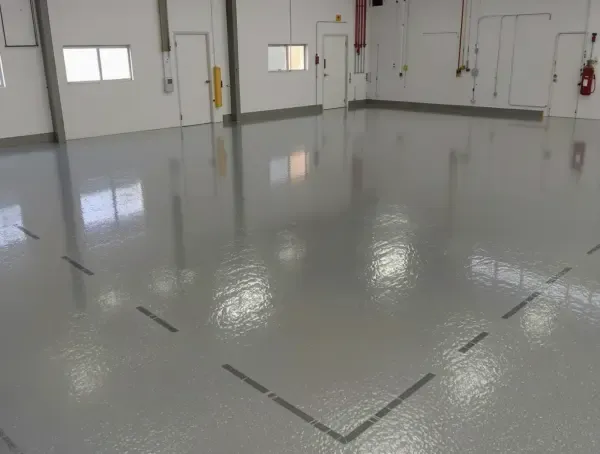
Some floors face conditions that make ordinary coatings give up: boiling water, steam, sudden cold rinses, and aggressive acids, all in a single shift. Polyurethane cement was developed for those environments, combining the toughness of concrete with the flexibility of urethane chemistry. This article explains how it differs from conventional resins and where it earns its higher price.
What Makes It Different
Standard resin systems form a hard, rigid film that bonds to the slab. Polyurethane cement is a hybrid, a mixture of resin, hardener, and mineral filler that cures into a dense, thick mortar. The result behaves more like the concrete beneath it.
That similarity matters because materials expand and contract at different rates when temperatures change. When a coating and slab move together, stress at the bond line drops sharply. That is the secret behind its performance under heat cycling.
Thermal Shock Explained
Thermal shock occurs when a surface goes from hot to cold, or the reverse, in a short time. Think of a hot-water washdown followed by chilled air from a cooler door. Rigid coatings can crack or peel under that repeated stress.
Hybrid mortar systems tolerate far greater swings, often handling steam cleaning and temperatures that would blister thinner products. Always confirm the specific temperature range and exposure duration with the manufacturer, since limits differ between formulations.
Moisture Tolerance
Many resins need a dry slab, but cement-based urethanes can often be applied over damp concrete. They allow some moisture vapor to pass without losing adhesion. That flexibility saves time on projects where drying is impractical.
Tolerance is not unlimited. Extreme moisture still needs investigation and, sometimes, a barrier. Testing the slab remains an essential first step, and a responsible installer will document readings before work starts.
Where It Performs Best
Breweries, dairies, meat processors, and bakeries use it heavily because their routines involve hot washdowns, organic acids, and constant moisture. Commercial kitchen flooring in busy restaurants benefits from the same qualities, particularly around dishwashing stations, cooking lines, and walk-in coolers.
It also suits loading docks and chemical plants where impact and spills occur together. Thickness typically ranges from several millimeters upward, giving the floor body and resilience that thin films cannot match.
Hygiene and Slip Resistance
A seamless, non-porous surface leaves few places for bacteria to hide. Coved edges where the floor meets walls make cleaning faster, and sealed drains stop liquids from slipping underneath. These details matter to inspectors.
Texture is built in using aggregates, which can be graded from fine to aggressive. Choose the grip level by considering how wet and greasy the area becomes, then test samples with real footwear before final approval.
Installation Realities
These systems are applied by trowel or screed, which requires skilled crews and good timing. Mixing multiple components accurately and finishing before the material sets takes experience. Poor workmanship shows quickly in uneven texture.
Odor and dust are generally modest compared with some alternatives, and cure times can be short. Many facilities return to service within a day or two. Plan staging so food, equipment, and staff are protected from the work area.
Cost Versus Lifespan
The material and installation cost more than thin coatings. The justification lies in longevity and reduced downtime. A floor that survives years of thermal cycling without repairs saves far more than its premium.
Compare lifecycle costs, not just upfront prices. Include repair frequency, shutdown losses, and cleaning savings. In the right environment, the numbers often favor the heavier system decisively.
Conclusion
Hybrid cement urethane floors thrive where heat, moisture, and chemicals collide. Understand how thermal shock works, check moisture conditions, match texture to hazards, and hire experienced installers. In punishing settings, the investment can outlast several generations of lighter coatings.
To discuss demanding environments and explore suitable systems, visit rhynopoxy.com and speak with the team.