

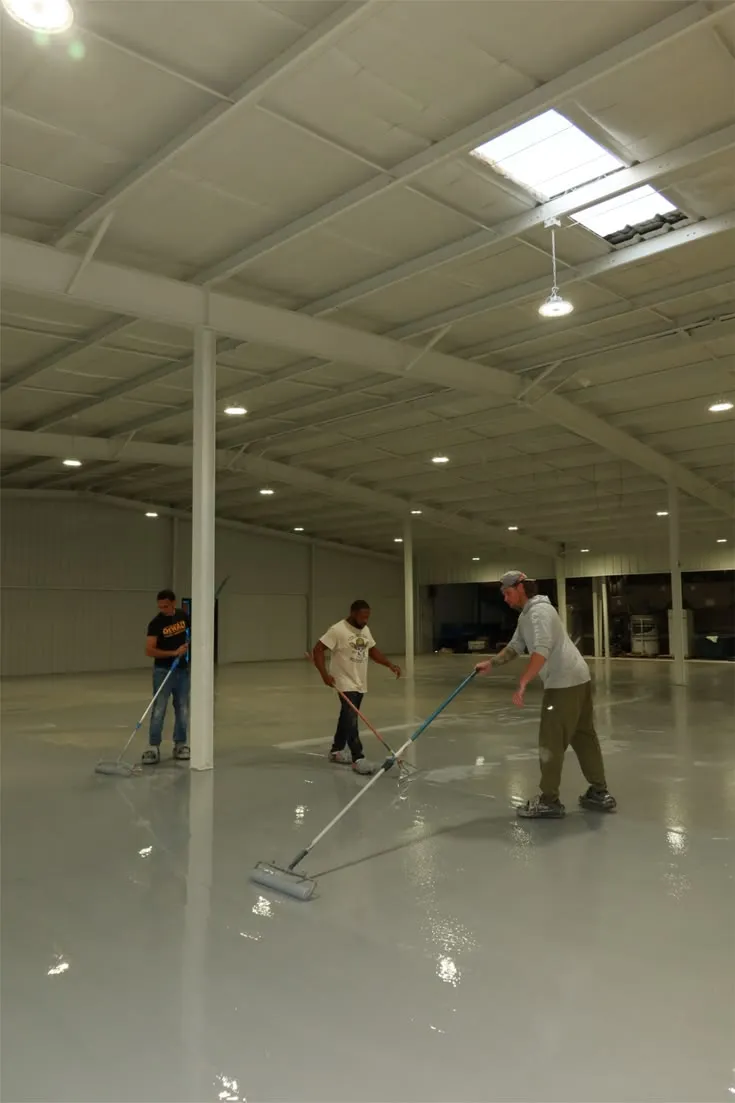

A warehouse floor renovation is often approved through a short comparison of prices, schedules, and promises about durability. Yet two estimates for the same square footage may describe very different work. One might include extensive grinding and joint repairs, while another assumes the existing concrete is ready for coating. Before hiring a warehouse floor coating service, operators should establish what each proposal actually covers. A clear scope protects the project budget, but it also helps managers coordinate inventory, equipment access, and the return to normal shipping activity.
Set Expectations Before Requesting Quotes
Start with a basic description of the facility. Include floor area, operating hours, storage rack locations, equipment types, and any areas exposed to oils or washdown. Explain whether the entire warehouse can close or whether work must happen in phases.
Share photographs of known defects, but do not expect remote images to replace a site inspection. A contractor should assess the slab and discuss conditions that may change the preparation method or coating specification.
Ask What Preparation Is Included
Concrete preparation frequently accounts for a meaningful share of installation work. Removing existing coatings, grinding the slab, cleaning contamination, and repairing damaged areas may all be necessary before applying resin.
Request a written explanation of the proposed preparation. If moisture testing or vapor-control materials are needed, confirm how those decisions will be made. A low initial price may be misleading when essential preparation is left unspecified.
Compare Specifications Rather Than Names
When evaluating warehouse epoxy flooring companies, avoid assuming that every proposal labeled “epoxy” describes an equivalent system. Base coats, decorative aggregates, urethane or polyaspartic topcoats, and film thickness can differ.
Ask for relevant technical data sheets and intended exposure limits. Forklift loads, chemical contact, and washdown frequency should inform the specification. A product appropriate for a clean storage room might not suit a manufacturing bay.
Make Downtime Part of the Budget
The cost of a coating is not the only financial consideration. Closing a shipping aisle may delay deliveries, while relocating inventory can require additional labor and equipment. Project managers should include those effects when comparing bids.
Ask bidders to describe the installation sequence, temporary traffic routes, and curing restrictions. The proposal should distinguish when people can walk on the surface from when forklifts or heavy racks can safely return.
Request a Clear Handover Package
A successful project ends with information that the facility can use, not just a newly coated floor. Before signing, confirm which documents the contractor will supply and who is responsible for final inspection.
Consider requesting:
-
An itemized scope covering surface preparation and repairs.
-
Product names, data sheets, and coating thickness details.
-
A schedule identifying work zones and reopening conditions.
-
Written warranty terms and any exclusions.
-
Cleaning instructions and a process for reporting defects.
Having this information in one place helps maintenance teams understand what was installed.
Review Safety During the Work
Mechanical grinding, dust collection, coating application, and moving stock can create temporary workplace hazards. Contractors should explain their controls and how installation areas will be separated from employees and deliveries.
Coordinate emergency access and forklift routes before work begins. Any agreed overnight or weekend schedule still needs adequate supervision and communication across shifts. A phased project should never depend on workers guessing which floor sections remain open.
Define What Acceptance Looks Like
The final inspection should compare completed work with the agreed specification. Check for incomplete areas, visible damage, uneven transitions, or missing joint details. Cosmetic expectations should be discussed before installation, particularly when the underlying concrete contains repairs.
Document concerns promptly and request written responses. A handover discussion should include cleaning requirements, access dates, and the steps for raising later warranty questions.
Use the Results for Future Projects
Once the facility returns to service, keep records of actual downtime, material performance, and maintenance observations. These details can improve future bids for additional warehouse sections or other sites.
An organized purchasing process makes it easier to compare contractors fairly. It also encourages decisions based on the needs of the building rather than marketing claims or a single price figure.
Conclusion
Warehouse coating bids should be evaluated as operational plans, not merely as prices per square foot. Preparation, system specifications, access restrictions, safety controls, and written handover materials all deserve attention. For warehouse operators considering resin floors in Bakersfield and surrounding Kern County communities, huskycoatings.com provides information about commercial systems and phased installations. A carefully defined scope can reduce misunderstandings, help protect daily operations, and leave managers with the documentation needed to maintain the finished surface responsibly.