

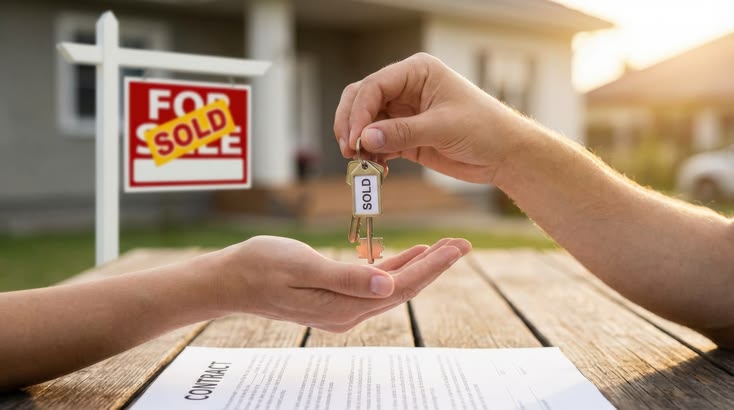
An empty house might seem easier to sell because there are no tenants to manage or furniture to move. However, leaving a property vacant for several months can create problems that homeowners don’t always expect. Bills continue arriving, small maintenance issues can become expensive, and the house may need regular attention even when nobody lives there. Whether you’ve relocated for work, inherited a property, or moved into another home, deciding what to do with an empty house is important. Understanding the costs and selling options can help you avoid spending more money than necessary.
An Empty House Still Costs Money
Moving out doesn’t mean your property expenses disappear. You may still need to pay the mortgage, property taxes, insurance, utilities, and basic maintenance costs. If you own another home, covering expenses for both properties can quickly become uncomfortable.
For example, suppose an empty house costs $1,800 each month to maintain. Keeping it for another four months could mean spending $7,200 before considering unexpected repairs. That’s why it’s worth calculating the monthly cost of holding the property before deciding how long you’re willing to wait for a buyer.
Decide Whether Repairs Are Worth Doing
A vacant house gives you more freedom to arrange painting, cleaning, or other improvements without disturbing anyone. However, it doesn’t mean every repair is worth paying for. Replacing an outdated kitchen or renovating bathrooms can become expensive, especially when you’re unsure how much those changes will increase the selling price.
Start by checking the property’s overall condition. Address urgent safety issues and ask a local real estate professional which improvements buyers in your area actually value. Sometimes simple cleaning and minor repairs are enough. Other times, selling without renovations may be more practical.
Consider Selling the Property As-Is
Some homeowners don’t have the time, money, or interest to renovate a vacant house. This is particularly common when the property is located far from where they currently live. Traveling back and forth to supervise contractors can become another expense.
Direct home buyers may consider properties in their existing condition. For example, winwinhomes.com/ provides information about buying houses directly, including properties that need repairs. A direct offer may reduce preparation work, but it should still be compared with the property’s market value and the amount a traditional sale might produce after expenses.
Protect the House While It’s Empty
An unoccupied property can develop problems that go unnoticed. A leaking pipe, broken window, or damaged roof may cause serious trouble if nobody checks the house regularly. Overgrown landscaping and accumulated mail can also make a property look neglected.
Arrange periodic inspections and keep important systems maintained. Depending on the season and location, you may need to protect pipes from freezing or arrange lawn care. Contact your insurance company as well. Some homeowners’ policies limit coverage when a house remains vacant beyond a specified period.
Understand the Challenges of Traditional Listings
Listing a vacant home gives potential buyers an opportunity to visit without coordinating around occupants. However, an empty property may look less welcoming when rooms have no furniture. Some sellers choose professional staging to help buyers imagine how the space could be used.
Staging, photography, cleaning, and ongoing maintenance all involve costs. If the house needs substantial work, buyers may also negotiate after inspections. Homeowners researching alternatives to a traditional listing can compare these expenses with a direct sale. Neither method is automatically better; the right choice depends on the property’s condition and the owner’s priorities.
Avoid Letting Small Problems Become Bigger Ones
Vacant houses still need attention. A clogged gutter can lead to water damage, and a minor plumbing leak may go unnoticed for weeks. Even simple problems become more expensive when repairs are delayed.
Ask a trusted neighbor, property manager, or maintenance professional to check the home periodically. Keep a record of inspections and repairs. If the property is far away, hiring someone locally may be safer than relying on occasional visits. These steps help protect the house while you’re deciding whether to sell.
Set a Realistic Timeline for the Sale
It’s easy to assume a vacant house will sell quickly because buyers can move in immediately. In reality, location, price, condition, and market demand still affect how long a sale takes.
Before listing, decide how much time and money you’re comfortable spending. If the house hasn’t attracted serious interest after a reasonable period, review the asking price and marketing approach. If you receive a direct purchase offer, compare its terms with your expected carrying costs. A clear deadline can help prevent months of unnecessary expenses.
Conclusion
A vacant house needs more attention than many owners expect, even when nobody is living there. Keeping the property secure, controlling monthly expenses, and addressing maintenance concerns can protect its value while you consider selling. If repairs or distance make a conventional sale difficult, winwinhomes.com offers information about direct home-buying options. The key is to make a decision based on the actual costs of holding the property rather than leaving it empty indefinitely. A realistic plan can save both money and unnecessary worry.